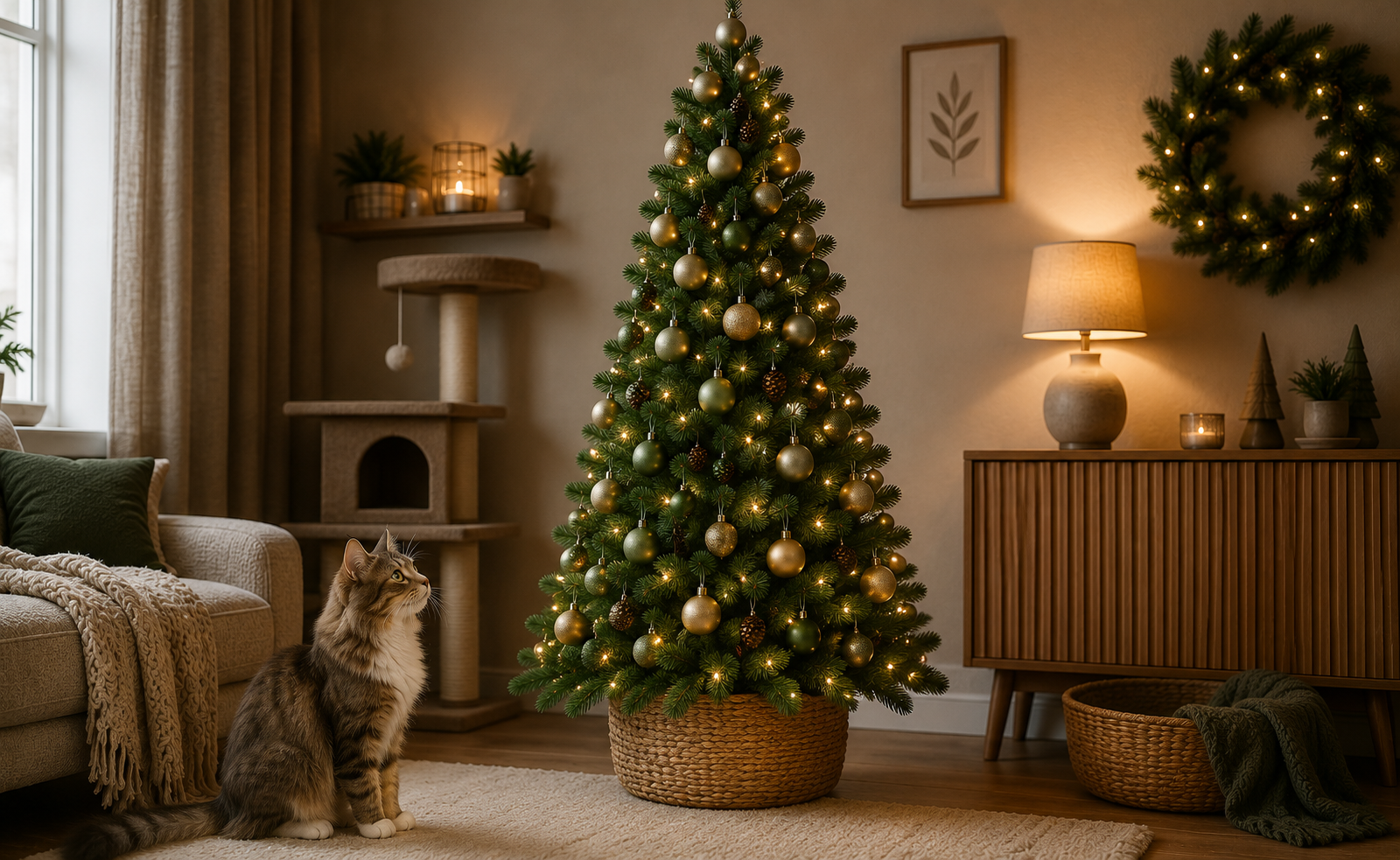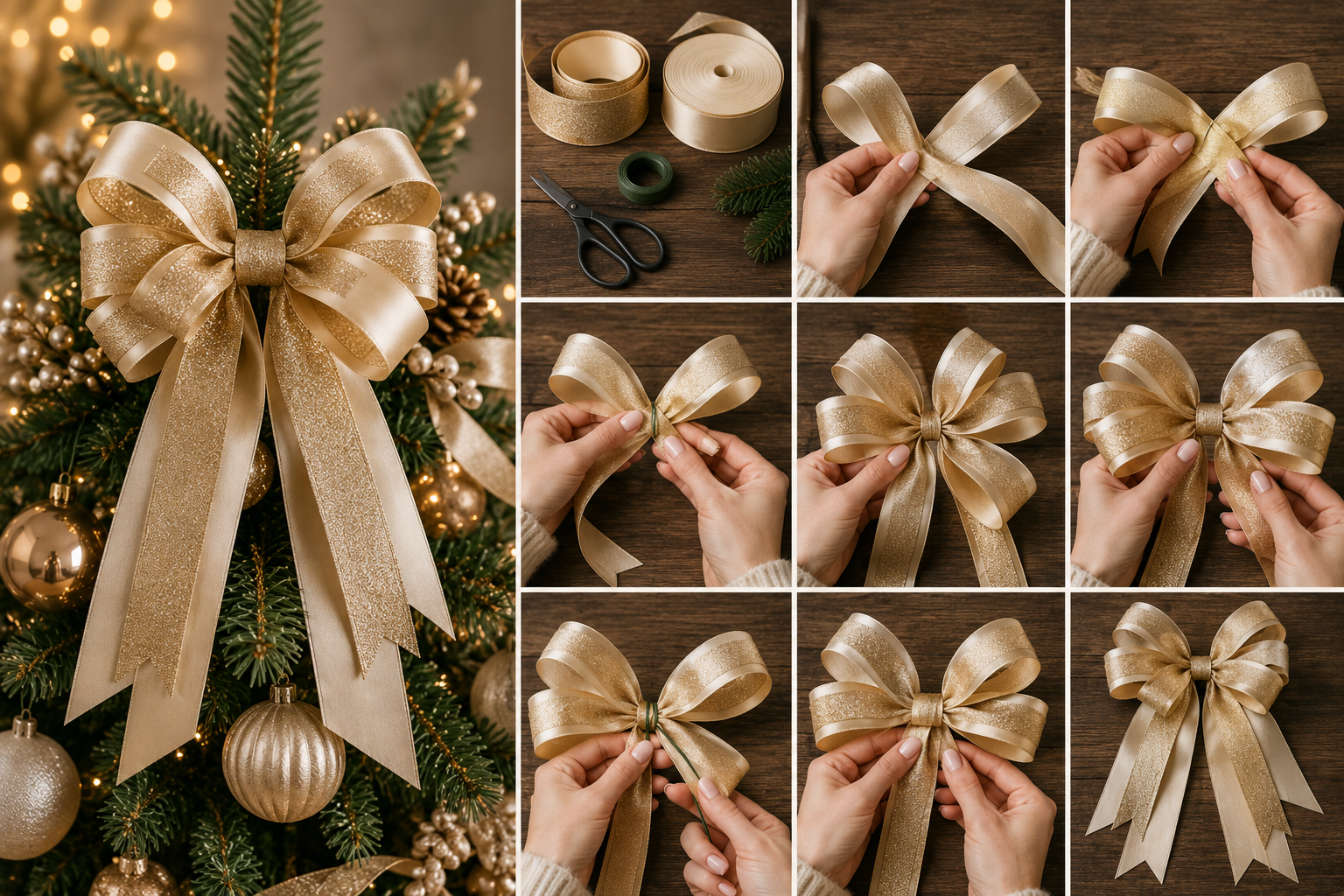


Christmas trees began appearing in Slovak villages only in the 19th and 20th centuries. Before that, they weren’t part of every household – more often, only pine, fir, or spruce branches were decorated.
The first Christmas ornaments were mostly handmade:
Trees were decorated with real candles, which was dangerous but also very magical. Candles were also lit in windows, on tables, or oil lamps were used in homes.
Traditional elements of Christmas decorations included:
Ornaments were often made together with children – for example, paper chains or cotton wool angels. Glass ornaments were very popular but only reached village households at the beginning of the 20th century.
Interestingly, in some areas, the Christmas tree was hung upside down from the ceiling – either to save space or for symbolic reasons.
Christmas decorations were once not prepared too early – most often only on Christmas Eve morning. They were simple, modest, but symbolic and created by hand. Unlike today’s modern, rich, and often commercially oriented decorations that emphasize trends and aesthetics, decorations in the past were primarily carriers of tradition and spirituality.